
Exploring the Best Solutions for AI Music in the Digital Era
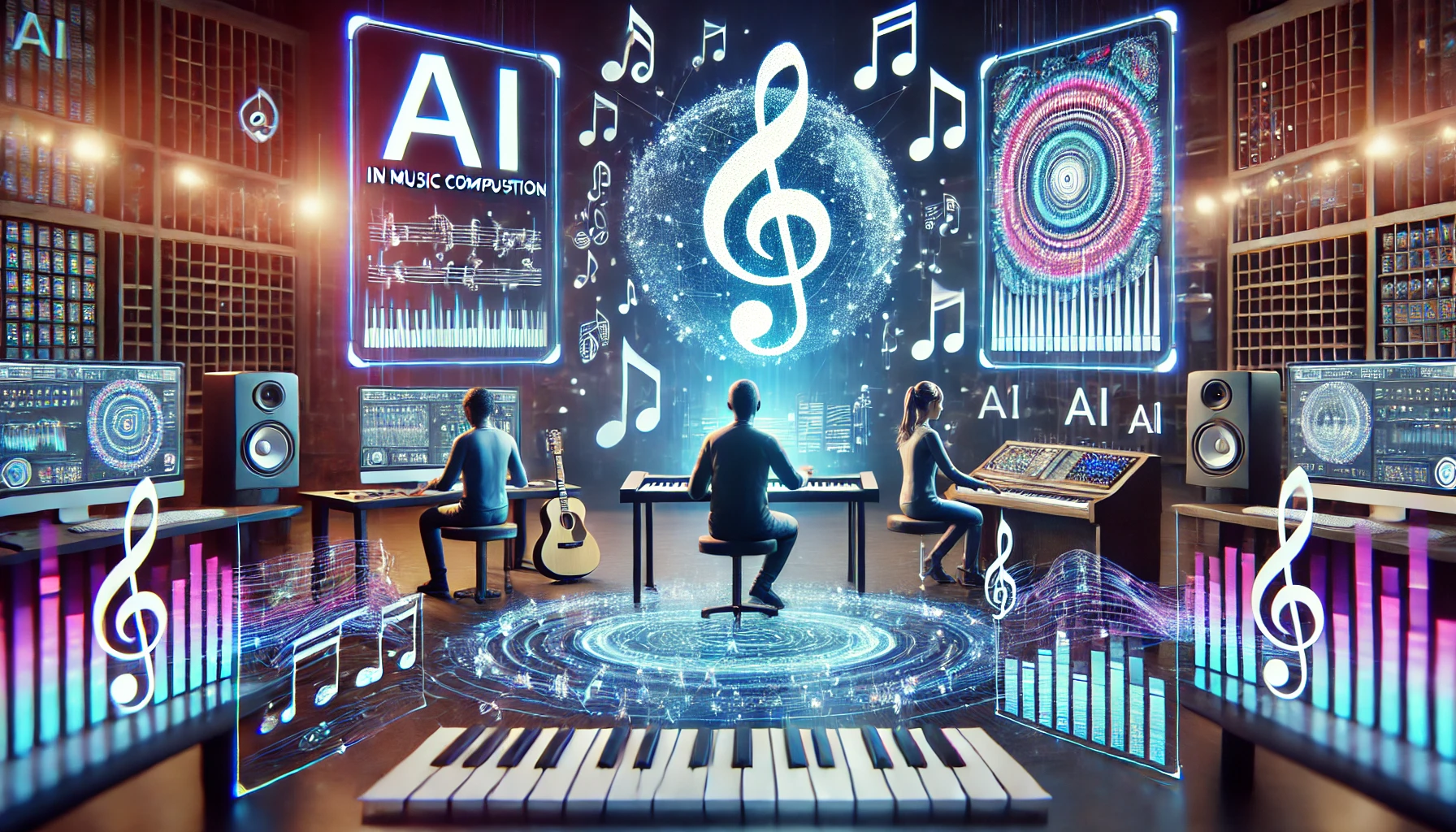
Artificial Intelligence (AI) is revolutionizing every creative industry, and music is no exception. From composing original scores to enhancing production quality, AI tools have become an essential part of how artists, producers, and businesses approach sound. Today, more than ever, musicians and creators are looking for solutions for AI music that can save time, inspire creativity, and push the boundaries of what’s possible.
How AI is Transforming Music Production
Music production used to require professional studios, complex software, and years of expertise. While those still play a vital role, AI technology has simplified the process, giving anyone with an idea the chance to experiment with sound. An AI music generator allows users to input preferences—such as mood, tempo, or instruments—and instantly receive compositions tailored to their needs.
Producers use AI to:
- Generate background scores for videos, games, and podcasts.
- Create royalty-free tracks quickly.
- Analyze music trends to stay ahead in the industry.
- Assist in songwriting with lyric suggestions and chord progressions.
This makes AI tools not only a time-saver but also a creative partner in the modern studio.
Benefits of Using AI Music Tools
The growing popularity of AI music generators stems from the practical benefits they provide:
- Accessibility – You no longer need expensive studio equipment to produce high-quality tracks.
- Speed – What once took hours can now be done in minutes.
- Affordability – AI music platforms offer subscription models or free versions, making them accessible for beginners.
- Customization – Users can adjust style, genre, and instruments to match their creative vision.
For indie creators, YouTubers, or small businesses needing background music, AI tools are a game-changer.
Key Solutions for AI Music
If you’re exploring modern tools, here are some standout solutions for AI music:
- Adobe Express AI Music Tool – Designed for creators who want simplicity with professional quality, Adobe’s tool helps generate tracks for videos, ads, and content creation.
- AIVA – Focused on composers and filmmakers, this platform allows AI-assisted music creation with cinematic depth.
- Amper Music – A user-friendly solution that generates customizable royalty-free music.
- Soundraw – Perfect for creators who want to adjust and edit AI-generated music to better suit their projects.
These platforms prove that AI doesn’t replace human creativity—it enhances it by offering fresh perspectives and helping creators experiment.
The Future of AI Music
As AI continues to evolve, expect to see more personalized and interactive applications. Imagine streaming platforms suggesting not only songs but also AI-generated playlists tailored specifically to your emotional state. Musicians may even collaborate with AI to co-write albums.
What’s clear is that AI music generators aren’t just a passing trend; they’re shaping the future of the industry. For creators, embracing AI is less about replacing artistry and more about unlocking new creative opportunities.
fashionlobby.ca
Why AI Music Generators Are Shaping the Future of Creativity
Technology has always influenced music. From electric guitars to synthesizers, innovation has pushed the boundaries of what artists can achieve. Today, the rise of AI music generators is the latest leap forward, offering creators, businesses, and even hobbyists new ways to engage with sound.
What is an AI Music Generator?
An AI music generator is a software tool powered by artificial intelligence that composes original music. By analyzing massive amounts of data—from classical compositions to modern pop hits—these platforms understand structure, rhythm, and harmony, allowing them to produce unique tracks in seconds.
Some tools require users to input preferences such as mood, length, or instruments. Others use advanced machine learning to anticipate the style you’re aiming for. The result is a seamless blend of human creativity and machine intelligence.
Practical Uses of AI in Music
The versatility of AI makes it suitable for countless real-world applications:
- Content Creators – YouTubers, streamers, and podcasters can quickly create background scores that fit their brand.
- Businesses – Companies use AI-generated music in ads, explainer videos, and presentations.
- Filmmakers & Game Developers – Instead of licensing expensive tracks, AI offers cost-effective solutions.
- Musicians – Artists use AI to experiment with ideas, create demos, and even inspire new melodies.
In each case, AI doesn’t aim to replace human musicians—it works alongside them.
The Best Solutions for AI Music Today
When it comes to solutions for AI music, several platforms stand out:
- Adobe Express AI Music Generator – A top choice for professionals and beginners alike, offering quick, customizable tracks perfect for content creation.
- Jukebox by OpenAI – A research project that explores deep-learning-based music generation with vocals.
- Boomy – Popular among beginners who want to instantly create and share tracks.
- Ecrett Music – Tailored for video creators, offering easy integration with visual projects.
These platforms highlight how diverse AI’s role in music has become, from professional-level scoring to casual experimentation.
Why AI Music is the Future
The biggest advantage of AI in music is scalability. Need 10 unique soundtracks for a video series? An AI generator can deliver in minutes. Want a track that perfectly matches your brand’s personality? AI can customize it with precision.
Moreover, as AI technology advances, expect even greater creative collaboration. Instead of being a tool, AI may become a true co-creator—offering suggestions, predicting trends, and expanding the possibilities of music as we know it.
Final Thoughts
AI is not here to diminish human artistry—it’s here to enhance it. The rise of AI music generators represents a future where creativity is more accessible, diverse, and limitless. For businesses, musicians, and casual creators, exploring solutions for AI music is no longer optional—it’s essential for staying ahead in a fast-evolving digital landscape.